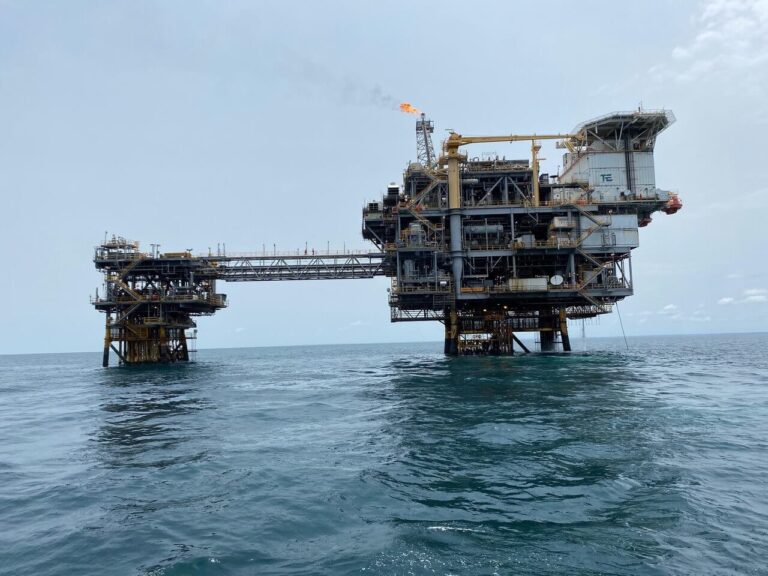
Every shutdown is a negotiation between two things that cannot both be maximised: the amount of work completed and the length of time production is down. Understanding which of those actually drives cost is the beginning of a good plan, and on most offshore facilities the answer is not the one that gets the most attention in planning meetings.
Deferred production dominates the arithmetic
The labour, equipment and logistics costs of a shutdown are visible, invoiced and easy to scrutinise. Deferred production is none of those things, but on a producing asset it is usually the larger number by a wide margin. A day of lost output can exceed the daily cost of the entire workforce mobilised to do the work.
This has a direct consequence. Decisions that add cost but shorten the critical path are usually correct, and decisions that save money by extending the outage are usually wrong. Mobilising a second crew, paying for expedited materials, or working a scope around the clock can all be justified by the production they protect. Teams that optimise the contractor invoice while the plant sits idle are optimising the wrong number.
Scope freeze is the discipline that matters most
Shutdowns fail on scope growth more than on execution. Work that is added late has not been through the same planning as the original scope. Its materials may not be on the facility, its permits may not be written, and its place in the sequence has not been thought through. Late additions therefore consume more time per unit of work than anything that was planned properly.
A workable approach is to set a firm freeze date, well before mobilisation, after which additions require a decision at a level senior enough to weigh the production consequence. The point is not bureaucracy. It is to make the cost of a late addition visible to the person authorising it.
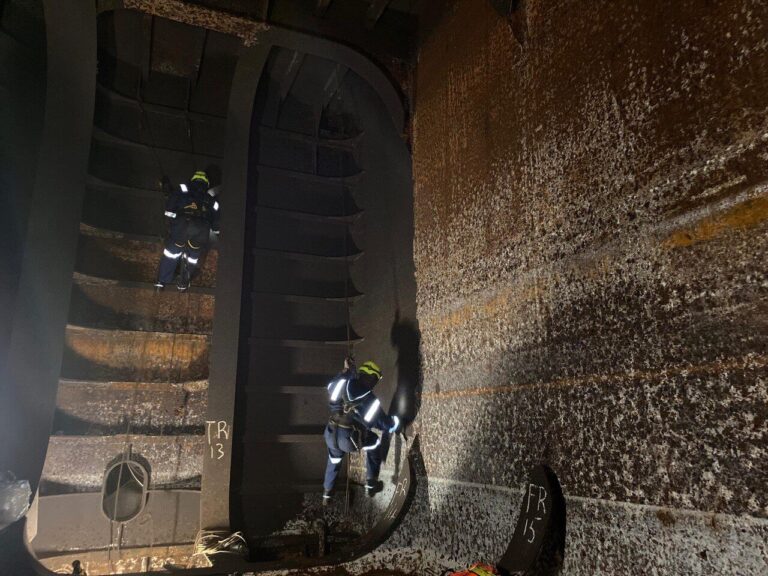
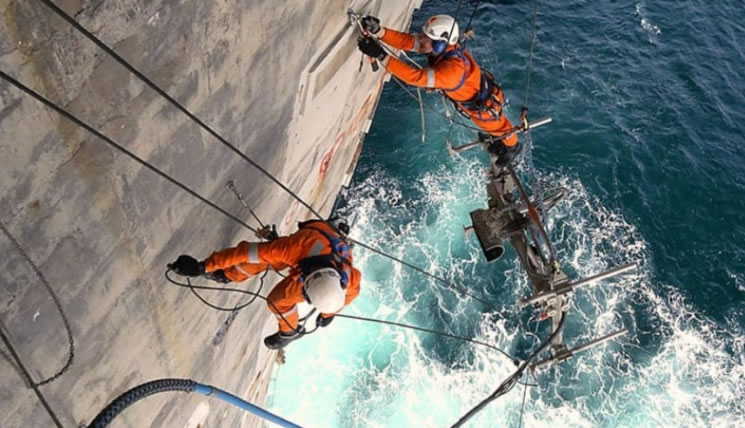
Equally important is what leaves the scope. Work that does not require the plant to be down should not be in a shutdown at all. Inspection, coating and structural repairs that can be executed on a live facility using rope access belong in the online programme, where they cost nothing in deferred production.
Sequencing around the workface
The unit of planning that matters is the workface, meaning a specific location where a specific task can be performed. Most sequencing errors come from planning by discipline rather than by location, which produces schedules where three trades need the same congested space on the same day and none of them can work.
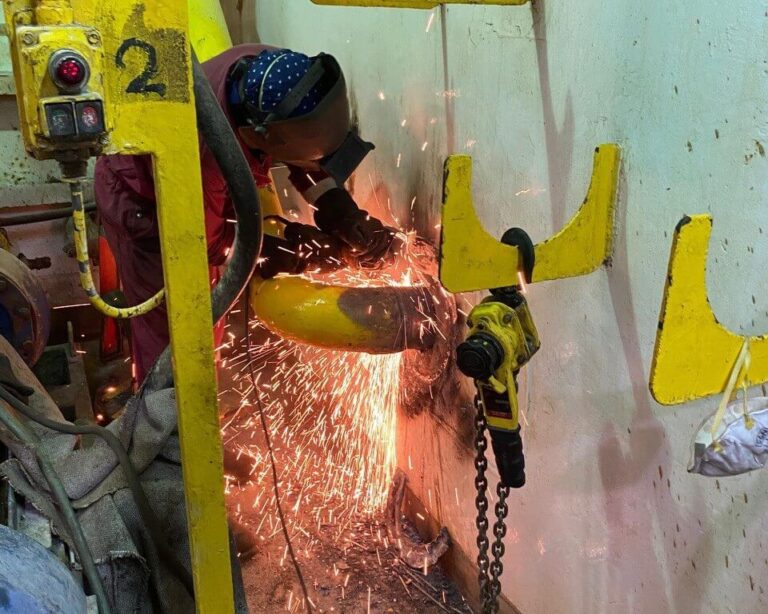
Trades that follow each other at the same location need to be sequenced as a chain. A structural repair typically runs access, then surface preparation, then inspection, then welding, then inspection again, then coating. Each step depends on the one before, and each handover is an opportunity to lose hours while one crew waits for another to clear the area.
Rope access changes this chain materially, because a single team holding multiple qualifications can execute several consecutive steps without the area being handed over at all. Where scaffolding is required instead, the build and dismantle cycle has to appear in the schedule as real work with real duration, not as an assumption. Our comparison of rope access and scaffolding sets out where each is the right choice.
Preparation that pays for itself
Work that can be done before the plant comes down should be done before the plant comes down. That includes anything that does not require isolation: staging materials at the workface, pre fabricating spools and pads onshore, pre building access where it can be installed live, writing and approving permits, and completing the inspection that defines repair scopes.
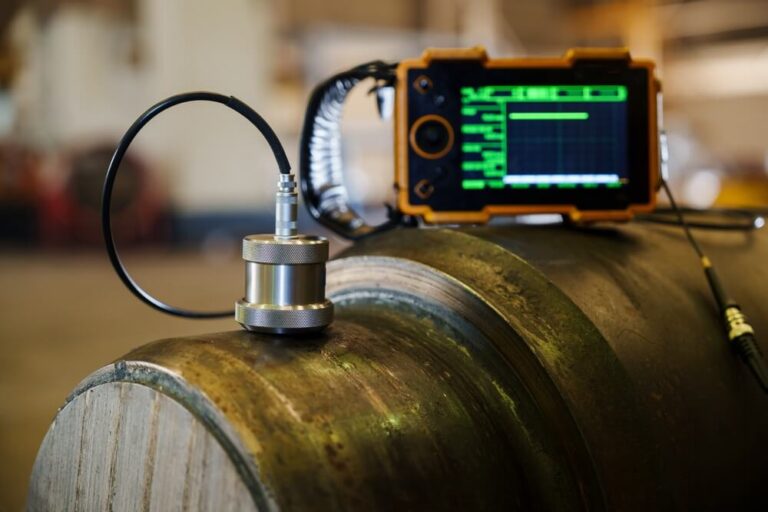
That last item deserves emphasis. A shutdown that begins with inspection is a shutdown that discovers its own scope while the clock is running. Where the condition of a structure is unknown, inspecting it during the online period converts an unknown into a planned repair with materials ordered and procedures qualified. This is the strongest argument for a continuous asset integrity programme rather than inspection bundled into outages.
Permits, isolation and the first day
The opening hours of a shutdown are frequently wasted, and the causes repeat. Permits queue at a single approval point. Isolations take longer than planned because valves do not hold and additional blinds are needed. Crews arrive at workfaces that are not yet gas free or not yet accessible.
Preparing permits in advance, staggering start times so approvals do not all arrive at once, and verifying isolations early are unglamorous measures that routinely recover a shift or more. On a facility where a shift of production is worth more than the crew that would have worked it, that is a substantial return.
Contingency that is honest
Every shutdown encounters findings that were not in the plan. A bolt shears, a flange face is damaged, a repair reveals more wall loss than the inspection suggested. Plans that assume none of this happens are not plans, they are hopes.
Useful contingency is specific rather than generic. It means holding consumables and common spares on the facility, keeping a small crew uncommitted so discoveries can be worked without breaking the main sequence, and having procedures qualified for the repairs that are plausible given the asset condition. A qualified welding procedure that turns out not to be needed costs very little. Not having one when a repair is discovered costs a mobilisation.
Learning between outages
The best time to plan the next shutdown is during the current one, while people still remember which sequences worked, which estimates were wrong and which workfaces were more congested than the drawings implied. Capturing that while it is fresh is worth more than a formal review written weeks later from memory.
Integra Offshore provides turnkey offshore project management and support, including scope development, sequencing and multi discipline execution. If you are planning an outage, get in touch while the scope is still open.