back to top

Sector-Specific & Heavy Equipment Services

Specialized maintenance for FPSOs, drillships, cranes & heavy offshore equipment. API-compliance, life extension, and operational readiness services.

From the hull of an FPSO to the gears of a crane, we provide the sector-specific expertise your most valuable and complex assets demand. Our teams deliver API-compliant maintenance, inspection, and life-extension services that ensure operational readiness and regulatory compliance.

Offshore assets are not generic; each class has unique failure modes, regulatory pressures, and operational criticalities. At Integra Offshore, we specialize in these nuances. Our services are built by engineers and technicians who have worked on these specific assets, developing deep institutional knowledge. We move beyond generic maintenance to deliver asset-class-specific programs that pre-empt failures, streamline shutdowns, and directly contribute to maximum uptime and safe, reliable production.

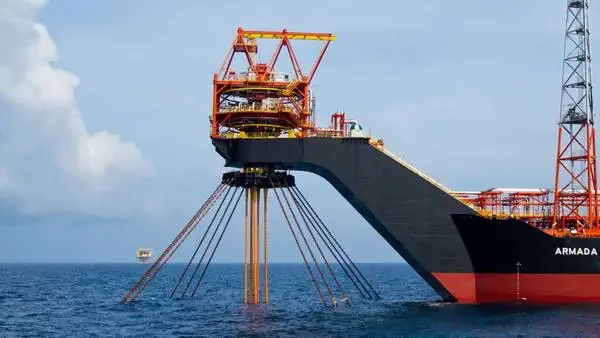
Floating Production & Drilling Unit Services

Comprehensive care for the capital-intensive hearts of offshore operations.

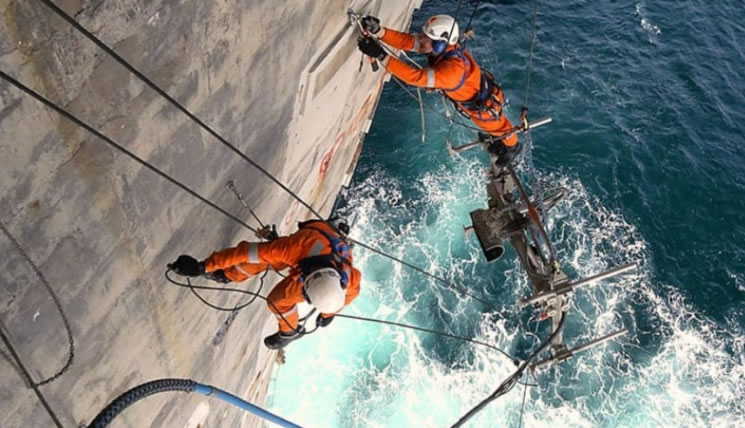
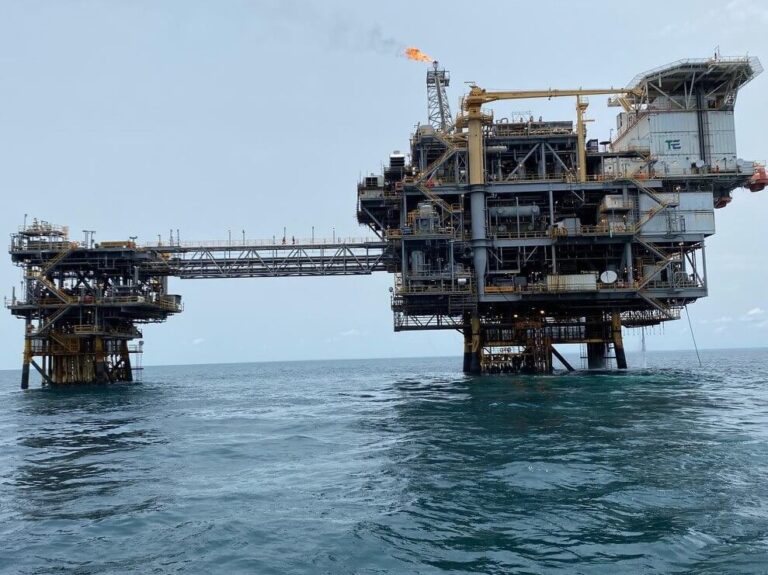
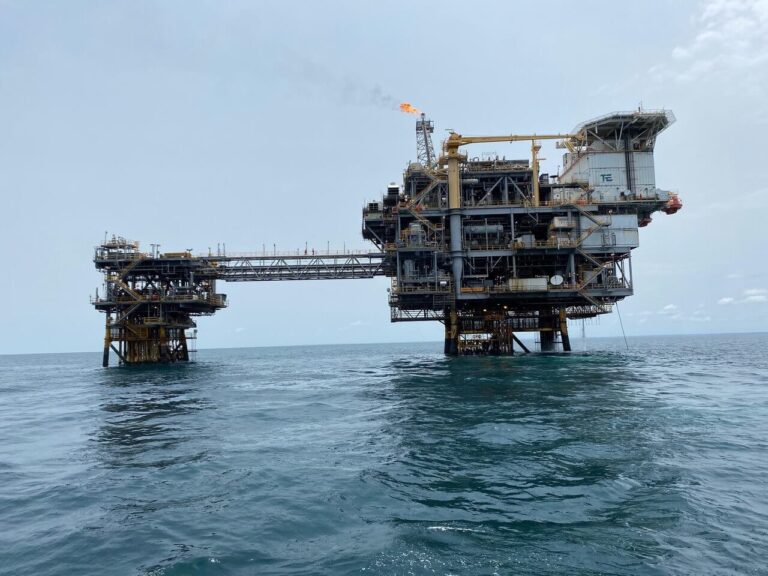
  • FPSO/FLNG/FPU Vessel Integrity: Class-approved hull gauging, ballast tank inspection, mooring chain surveys, and topside structural repairs.

  • Drillship & Jack-Up Rig Maintenance: Hull and leg inspection, jacking gear maintenance, helideck inspections, and marine drilling riser servicing.

  • Flare & Chimney Systems: Live flare tip replacement, API 936 refractory inspection, and stack internal surveys.

Drilling Equipment Maintenance & Certification

Precision care for the tools that drive drilling operations.

  • Marine Drilling Riser & BOP Maintenance: Between-well “make ready” services, high-pressure cleaning, NDT, and seal change-outs.

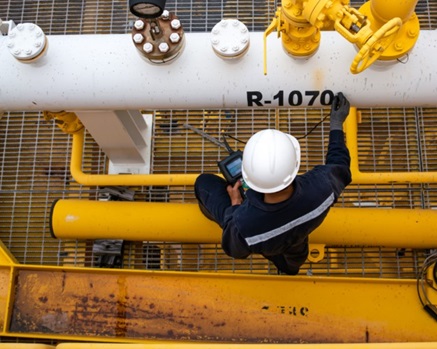
  • Subsea Equipment Inspection: Dimensional and mechanical assessment of critical subsea components.

  • Preservation & Deployment Support: Application of long-term preservation coatings and logistical support for equipment run-up.

Tank & Confined Space Management

Safe, systematic entry and maintenance of high-risk enclosed spaces.

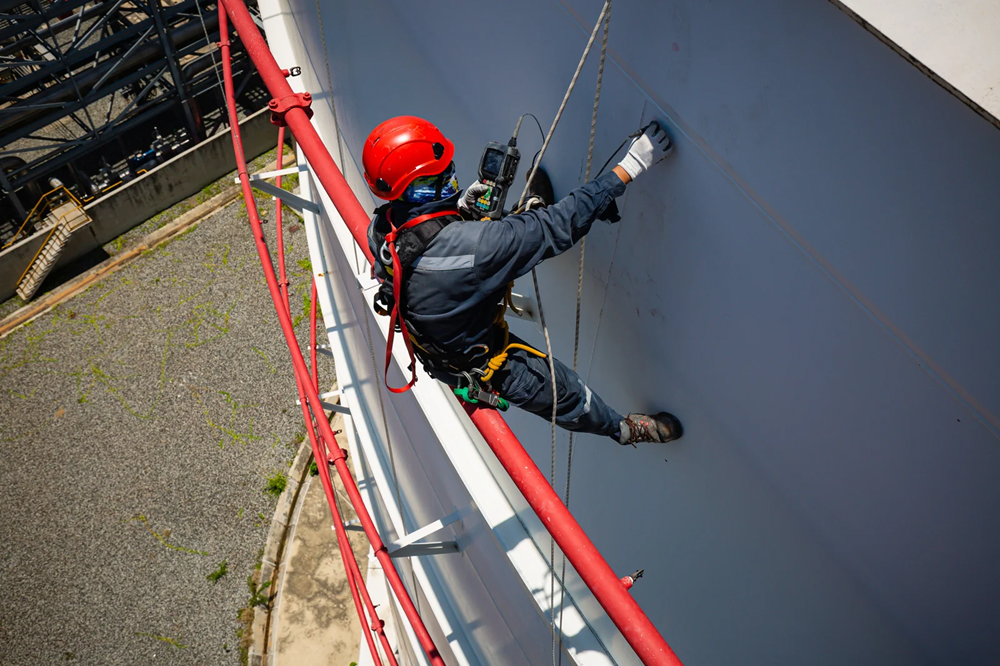
  • Storage Tank API 653 Compliance: Internal inspection, roof and floor assessment, cleaning, and repair to API 650/653 standards.

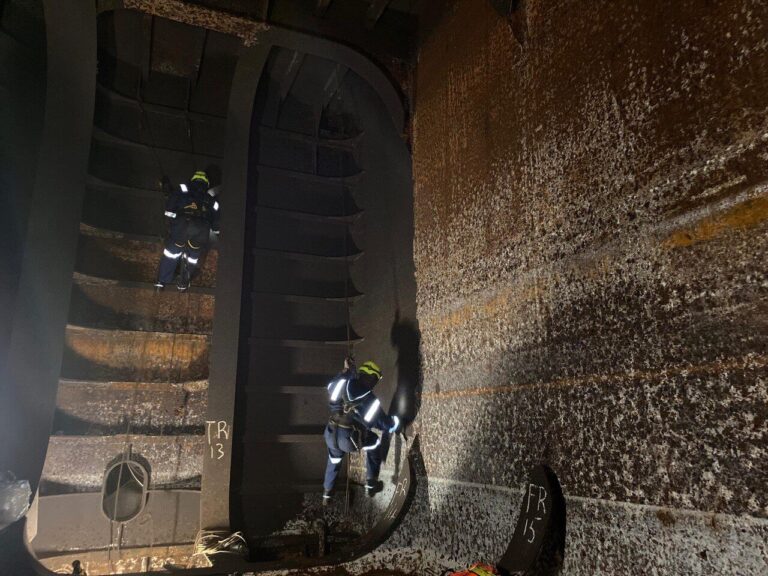
  • Ballast & Cargo Tank Services: Tank cleaning, internal coating, and structural inspection.

  • Confined Space Entry (CSE) Operations: Fully permitted and manned entries for inspection, NDT, and repair in hazardous atmospheres.

Crane & Lifting Systems Integrity

Ensuring the primary handling systems are safe and reliable.

  • Offshore Crane Inspection & Certification: Comprehensive examination of structural, mechanical, hydraulic, and electrical systems.

  • Load Testing & Certification: Proof load and dynamic testing of cranes and custom lifting points/fittings.

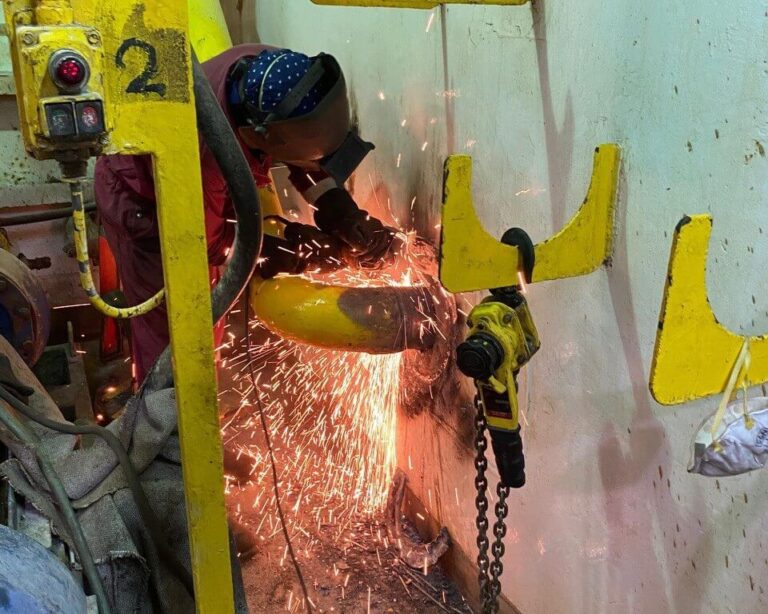
  • Preventive Maintenance & Repair: Scheduled servicing, component replacement, and major overhauls.

Why Choose Integra Offshore for Asset Integrity?

Our approach to heavy equipment begins with failure mode and effects analysis (FMEA). We don’t just service cranes or risers; we study their specific duty cycles, historical failure data, and manufacturer advisories to build a maintenance profile that targets known weak points proactively. For example, our crane maintenance programs emphasize wire rope integrity (MRT), hydraulic system contamination control, and structural splice inspections—areas statistically linked to downtime. This data-driven focus transforms maintenance from a calendar-based activity into a reliability-centered program, extending mean time between failures (MTBF) and preventing costly, unplanned breakdowns during critical lifts.

  • Asset History Builders: We maintain detailed service records for your assets, creating a valuable history that informs future risk-based inspection and maintenance planning.

  • Integrated Toolbox: We bring all necessary disciplines—access, NDT, welding, coatings—in-house, ensuring no aspect of the repair chain is subcontracted or delayed.

  • API & Class Society Expertise: Our procedures and personnel are qualified to the specific API, ASME, and Class rules governing each asset type.
  • Operational Mindset: We plan every intervention to minimize impact on production, executing work during planned shutdowns or, where possible, in parallel with operations.
fpso-conversion-

The complexity of floating assets like FPSOs requires a holistic, systems-based view. A coating failure in a ballast tank isn’t just a painting issue; it’s a hull integrity concern that affects class certification. Our integrated service model is uniquely positioned to address this. When we perform hull gauging and find wastage, our teams can immediately execute the required steel repair and re-coating, all under the same management system and with a single set of permits. This seamless transition from identification to remediation within one contract eliminates the costly delays and interface problems that occur when multiple specialist vendors are involved, significantly compressing project timelines during valuable shutdown windows.

Ultimately, our sector-specific services are designed to be a strategic extension of your own operations and maintenance team. We provide more than just task execution; we deliver asset intelligence. Every inspection report, maintenance record, and repair detail is captured in a format that feeds directly into your computerized maintenance management system (CMMS). This builds a living digital twin of your asset’s condition, empowering you to make smarter capital planning decisions, justify life-extension projects with hard data, and demonstrate unwavering regulatory compliance to stakeholders and class societies, securing the long-term viability of your offshore investments.

Frequently Asked Questions (FAQs)

What is involved in an API 653 storage tank inspection, and how often is it required?

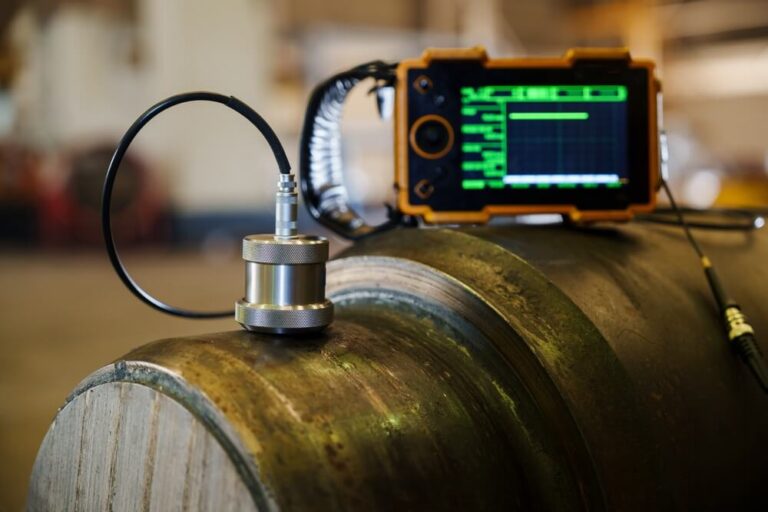
An API 653 inspection is a comprehensive integrity assessment of above-ground storage tanks. It includes internal visual inspection, ultrasonic thickness testing of shell and floor plates, settlement evaluation, and appraisal of nozzles and foundations. The frequency is risk-based but is typically required on a 10-20 year interval, or following a change in service, to ensure the tank remains fit-for-service and safe to operate.

Can you perform live flare tip replacement, and what are the key safety considerations?

Yes, we specialize in live flare tip replacements using engineered isolation and purging techniques. Key safety considerations include: developing a detailed simultaneous operations (SIMOPS) plan with the production team, continuous monitoring of flammable gas concentrations, strict hot work permit control, and the use of classified electrical equipment (CompEx). Our IRATA teams are specifically trained for this high-risk work.

How do you conduct mooring chain inspections for FPSOs without retrieving the entire chain?

We typically perform mooring chain inspections using Remotely Operated Vehicles (ROVs) equipped with high-definition cameras and cleaning brushes. For more detailed analysis of selected links (e.g., after a fatigue indication), we can perform diver-assisted inspections with advanced NDT methods like Alternating Current Field Measurement (ACFM) to detect cracks without removing the chain, a far more efficient method than traditional retrieval.

contact

Reach out &
Connect with Us

At Integra Offshore, we understand that behind every service inquiry is a critical operational challenge—a tight deadline, a complex repair, or an integrity concern that demands an expert solution.

10 van Riebeeck Road, Milnerton Cape Town, SA

contact-shape-1-1

Get In Touch With Us And Enjoy
Top-Notch Support

    Integra Rope Access & Offshore Services Integra Rope Access & Offshore Services